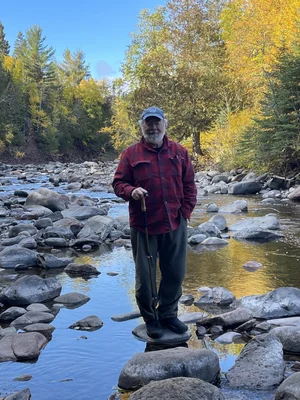
Art and Politics
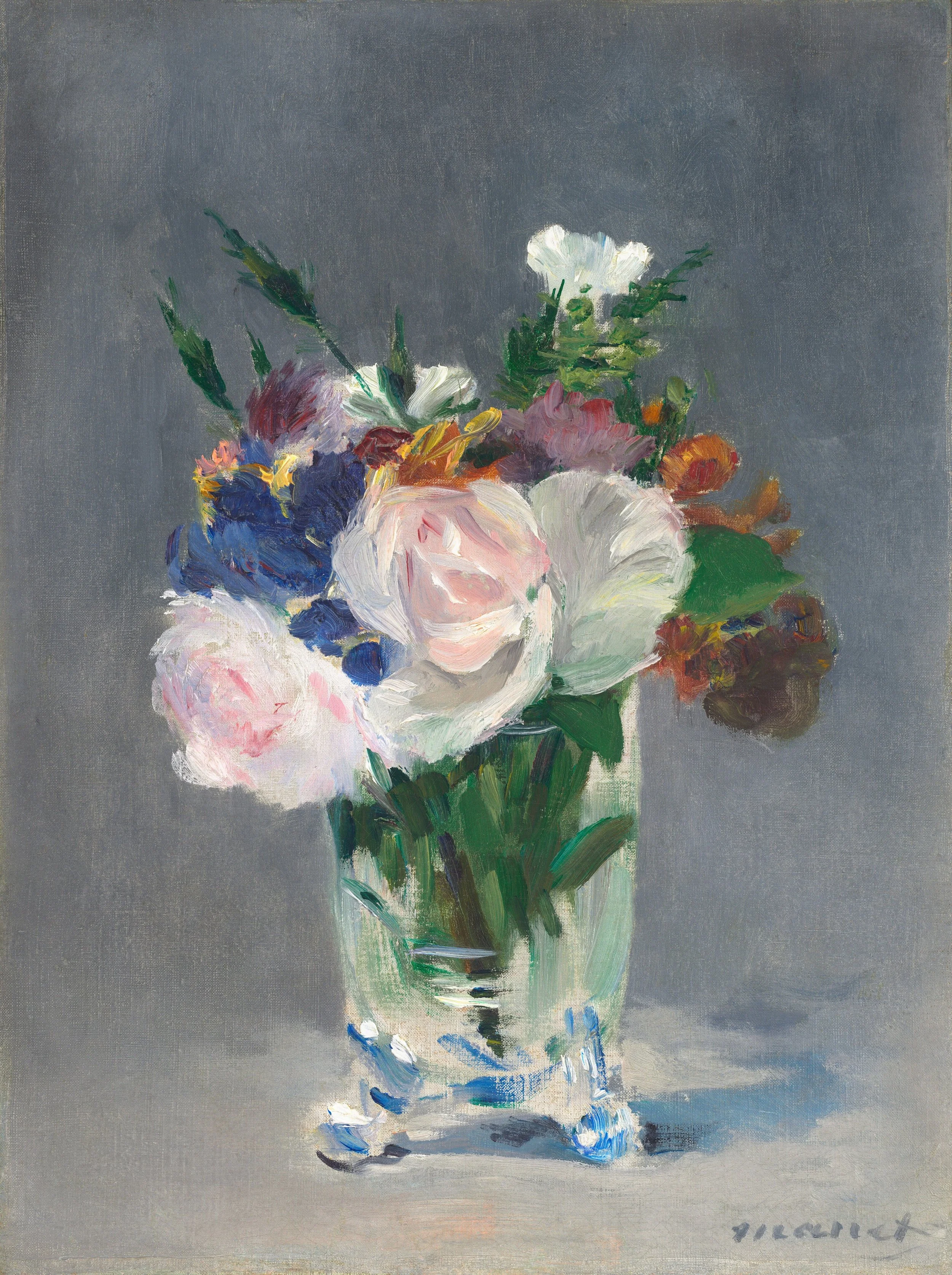
Manet
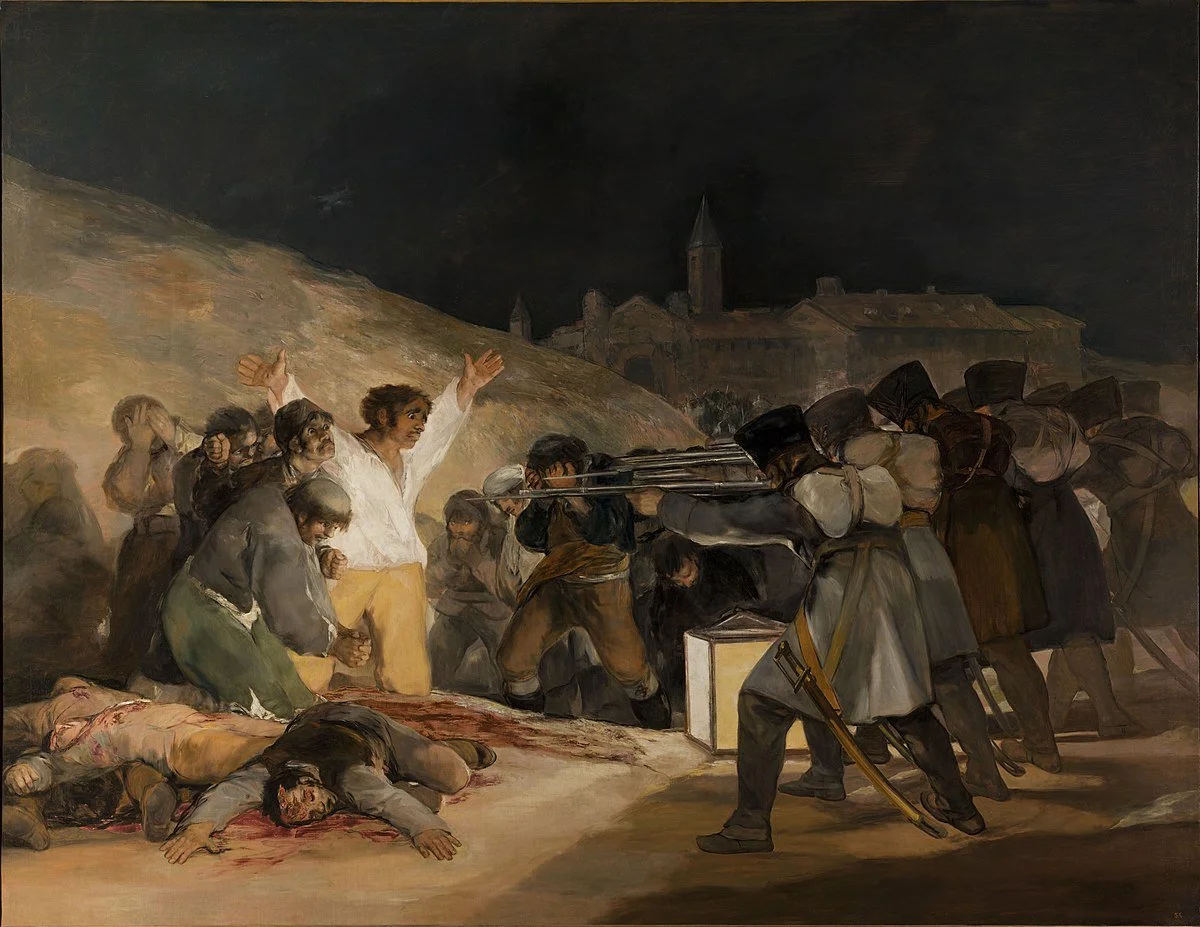
Goya
Art, Politics, and the Question of Engagement
I’m sitting here thinking about politics and art — my art, to be specific. I have questions. I’ve always been a politically engaged person. I read the papers, listen to the news, have opinions, and share them liberally. But when it comes to my art — my paintings and drawings — I sometimes feel quite apolitical. As if I’m not addressing the issues directly. As if I’m not using my skills to confront what I believe is one of the major problems in our society right now: the growing disruption between people — between us, you and me — and our ability to change the world and make it better through the political process.
So one question I have for myself is:
Is my art an escapist activity?
Am I making my work to provide an escape for both myself and those who view it? For me, this is a disturbing possibility. The idea that art could serve as a tool to avoid reality is the complete opposite of what I want my work to do — or to be. I want my work to open up my viewers’ worldview, to broaden their perspective, to help them consider things they may never have considered about this world. That is a radical aspiration.
I’ve always felt that the defining line between art and not-art is subversion. Does the work one is looking at or experiencing subvert the subject — or ask questions about it? That questioning can be as simple as: “Can a rose be green?” “Can a cat have a dog’s body?” “Can paint be appreciated as just paint?”
It can also be something far more radical, like Goya’s The Third of May, 1808 — a direct and visceral depiction of the execution of a group of men.
I’m suggesting that this entire spectrum — from the color of a rose to the portrayal of a military execution — is equally political. It contains a particular truth of experience that, especially in this moment, feels radical.
When I’m in my studio, working away on things, I am lost in what I would call my “real reality.” So another question arises:
Is losing myself in the making of my art indulgent?
I don’t think it is. I believe that when any human labors to represent the humanity of their experience, they are engaging in a profoundly unselfish act. It is our capitalist system that defines this sort of activity as indulgent — as something not worthwhile.
In fact, in my opinion, getting lost in art-making is a form of highly charged political activism. It is both a protest and a gesture against a society that represses individuality and self-autonomy.
When I think about it that way, I realize my paintings aren’t an escape at all. They are a way of paying attention — of insisting that observation, imagination, and empathy still matter. Maybe the quiet act of painting is itself a political gesture: a refusal to surrender to cynicism, noise, or despair. Through color, shape, and mark, I’m asking both myself and others to stay awake to the world — to keep believing that beauty and awareness can still change it.